
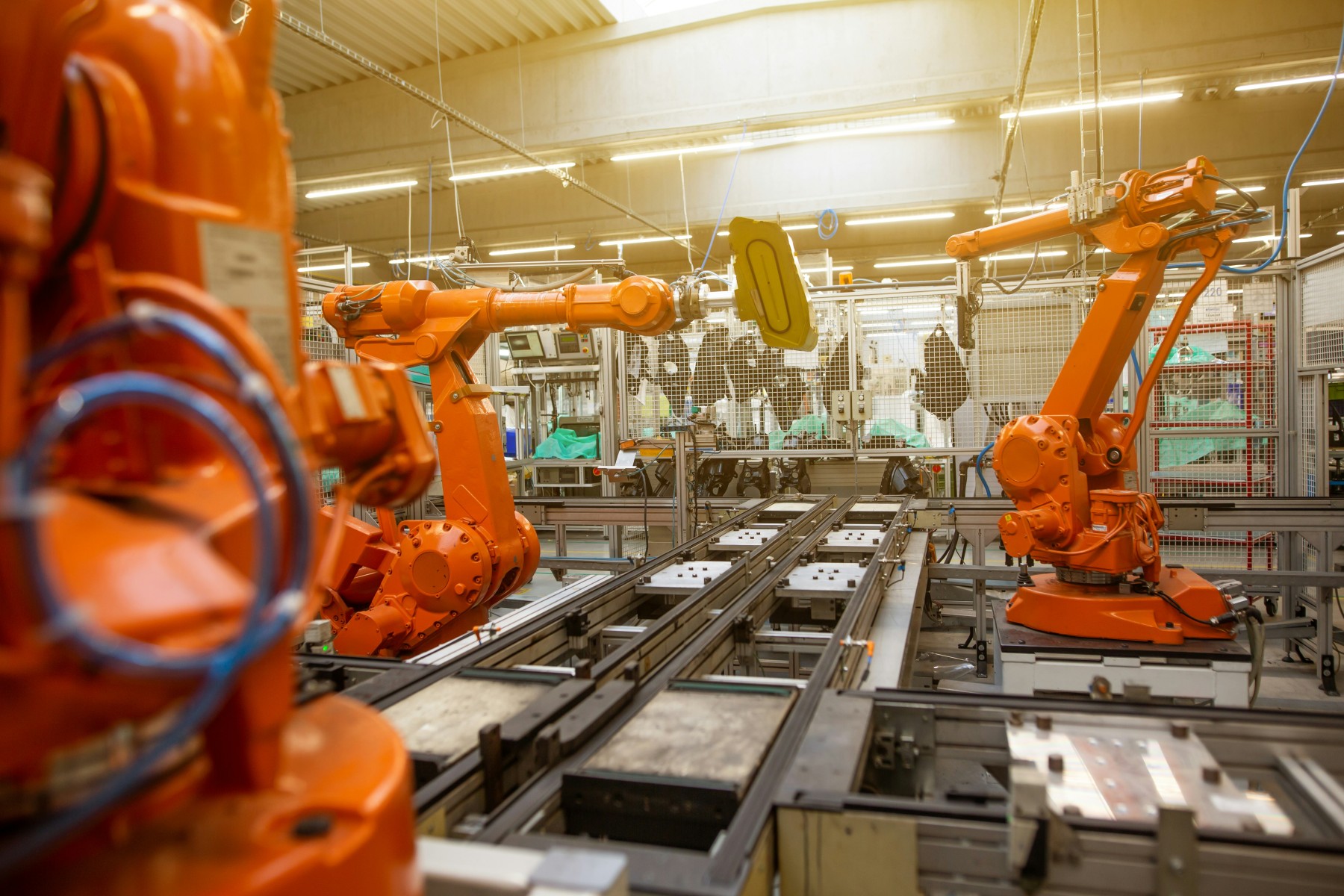
EPFL publishes a new study on modular foldable robots for surface-based manipulation
A step towards more adaptive robotic manipulation systems, in line with MOZART project vision.
The MOZART project, which focuses on developing reliable and adaptive industrial robotics solutions, welcomes the publication of the new scientific article by project partner EPFL. The study, “Surface-based manipulation with modular foldable robots“, published in npj Robotics, presents experimental results on modular robotic surfaces capable of translating, rotating, and flipping objects using innovative solutions.
The key innovation of EPFL’s approach lies in replacing traditional finger-like end-effectors with flat, reconfigurable surfaces. By adjusting the surface’s orientation and height, the system can manipulate soft, deformable, irregularly shaped, or delicate objects – tasks for which conventional pick-and-place methods are often unsuitable or damaging. A demonstration of the system’s capabilities is available in this video.
These developments open promising applications in industrial automation, particularly in food packaging. By improving the placement and organisation of products, the system facilitates subsequent packing operations, helping to introduce more advanced robotic handling in a sector that remains largely under-automated.
EPFL’s work shows how morphological innovations and new manipulation strategies can contribute to robust and flexible manipulation solutions, where variability is the norm rather than the exception – in line with the approach taken by MOZART’s AUTOMAT system.
Read the full scientific publication at this link.
Photo Credit by Simon Kadula on Unsplash