

Thinking with the Machine: Three Ways of Looking at Automation
Over the past years, this blog has followed automation into familiar and unexpected corners, from robot-dancers on stage to soft robotics labs to the history of industrial poultry processing. In this final post, we pull those threads together to ask what they tell us about how humans imagine, fear, and build relationships with machines.
This blog explored what happens when humans share their world with machines and with other forms of life, bringing together perspectives from the arts, engineering, and history.
Cultural fears about automation didn’t start with today’s robots, as discussed in the series “HRI, automation, and emotions: Do (not) fear the robots!” Three animated shorts from the 1920s and 30s are early evidence of this, casting mechanical creatures as sources of both comedy and threat. That same anxiety later found a more dystopian register: the “Last Man” cover art series imagines machines outlasting the people who built them, asking what—if anything—remains of us once we’re gone. Robot-like figures on stage carry a version of this fear too. Characters like Coppelia have stood for the loss of control and identity that humanoid robots can bring. But it is also on stage that the story starts to turn. Real robots performing alongside human actors can be used to explore embodiment and what it means to be alive in an age of machines. These case studies show how automation has never elicited a single emotional reaction: it can inspire both new fears and new forms of connection.
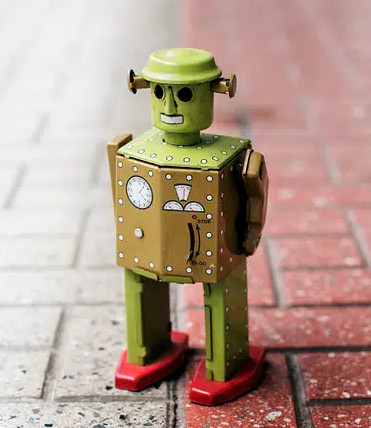
This shift from imagining robots as threats to thinking about them as collaborators also informed our work in MOZART robotics labs, presented in the series “Interdisciplinary research in the making.” For robotics engineers, softness is not merely a material property but a design philosophy. It can be achieved through materials, structures, and forms of actuation, often drawing inspiration from biological models such as the octopus, and is valued for enabling robots to move safely alongside people. Prototyping soft robots with everyday objects revealed an ongoing negotiation between human goals, the properties and possibilities of materials, and the surrounding environment. Improvisation and collaboration were as important as technical expertise in this context. Working with common objects rather than abstract specifications shifted our attention from purely functional questions towards sensory and embodied forms of knowledge.
A longer history of automation emerges from a less obvious place: the Italian poultry industry, analysed in the stream “HRI interfaces – Histories, presents and futures of human labour divisions at the factory.” In the 1930s, fascist autarky policies encouraged the “rationalisation” of rural poultry farming, while the Futurist movement developed a cuisine that brought together regime food politics and techno-scientific ambitions. During the Cold War, new technologies and organisational models transformed the sector, first in the United States through the development of the broiler industry and then across other industrialised countries in the Western Bloc. Advances in refrigeration, new marketing strategies, and reorganised supply chains eventually led Italy’s poultry sector to become one of the largest in Europe. This evolution illustrates how automation transforms established production practices alongside broader shifts in politics, culture, and ideas about nature.
These three strands show that automation has never been a straightforward story of humans versus machines. It is instead the result of a series of culturally specific negotiations over agency within the shifting boundary between the “natural” and the “artificial”—negotiations that take place as much in a chicken coop as in a robotics lab or on a theatre stage.