|
With this issue, MOZART comes to a close, and rather than revisiting results already shared on our website and social media channels, we have chosen to end on a different note.
Over the course of the project, the consortium has developed the AUTOMAT, a morphing robotic surface designed to handle soft, irregular food products such as fish and poultry.
Alongside the engineering work, MOZART's Social Sciences and Humanities (SSH) team has been asking a different question: what does this kind of automation mean for the people who imagine it and work alongside it?
This final newsletter gives space to that question through six blog posts written by the SSH researchers at Trinity College Dublin (TCD) and the University of Southern Denmark (SDU).
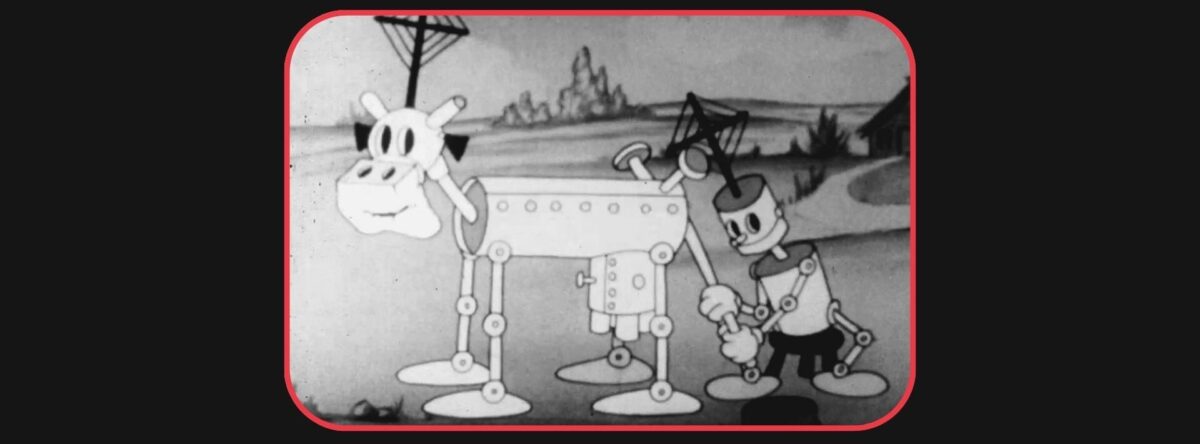
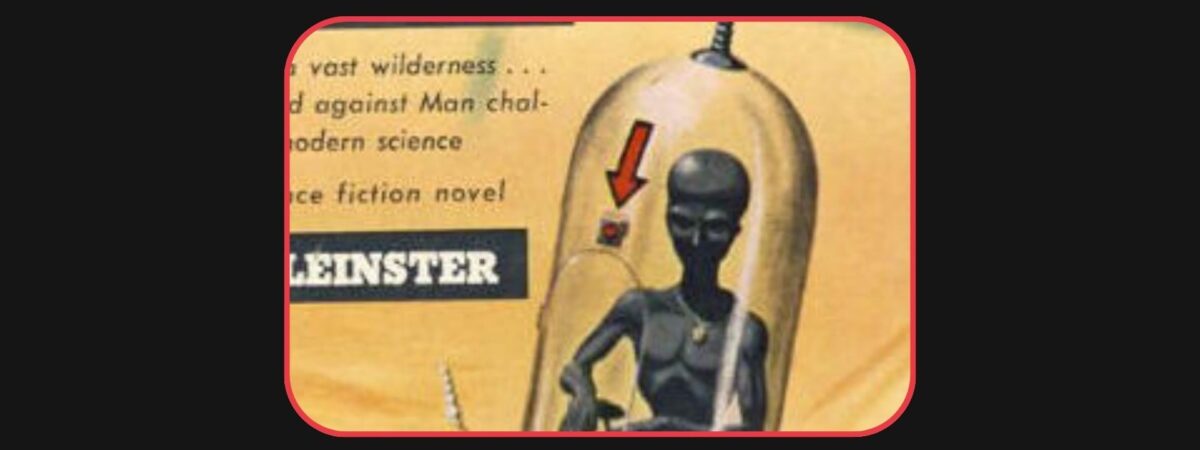
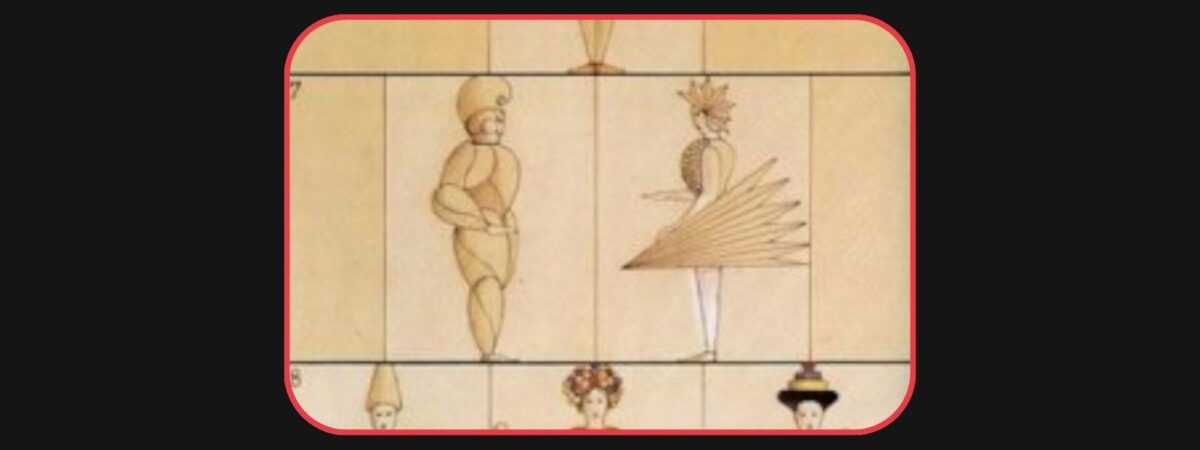
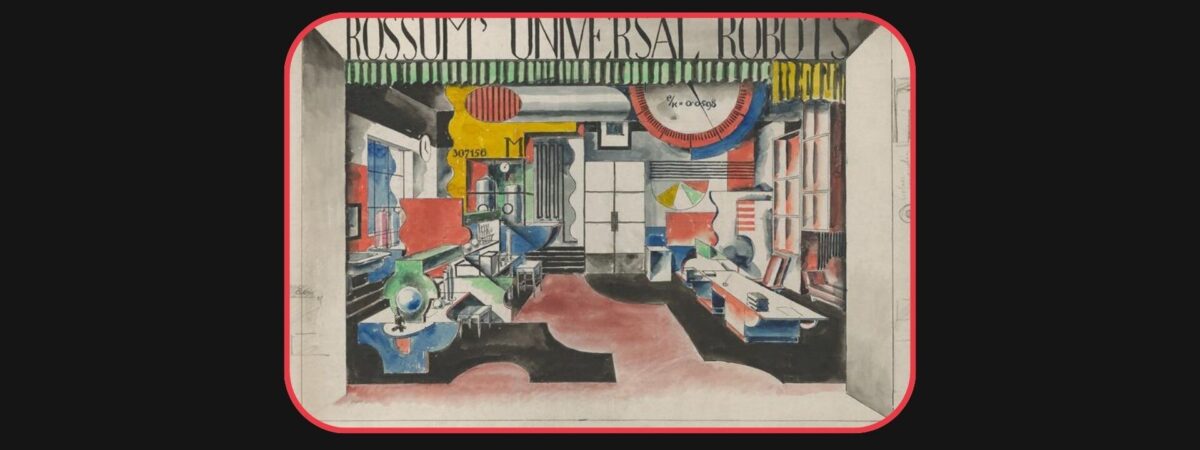
The first series, from TCD, looks at how cartoons, science-fiction art, ballet and theatre have staged our anxieties about machines. It moves from Disney's 1927 mechanical cow to the golem and Čapek's robots, tracing a gradual shift from fears of replacement to more relational ways of imagining robots.
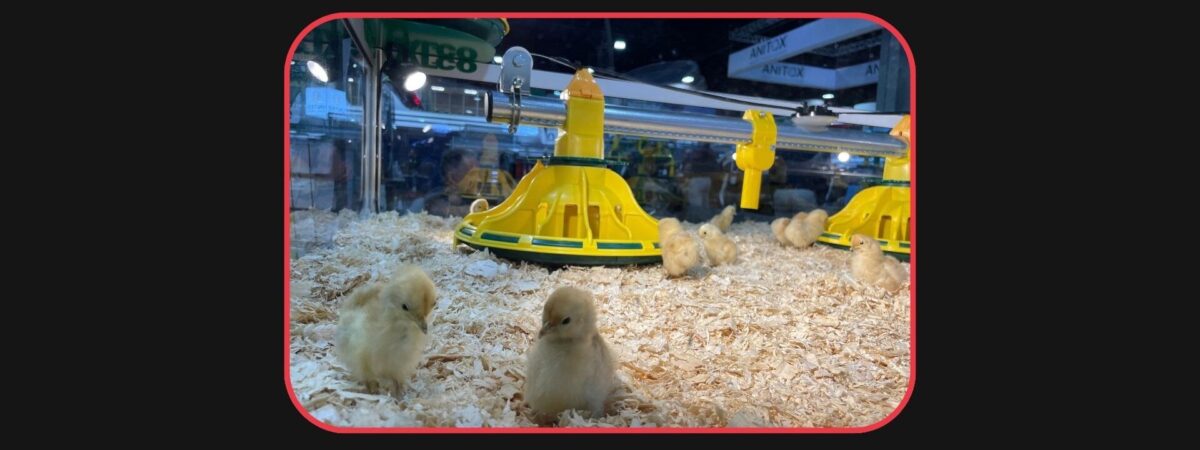
The second, from SDU, brings the discussion back to the factory floor. Drawing on conversations at the IPPE trade fair in Atlanta and on feedback from MOZART's June 2026 webinar, it asks what trust in industrial robotics really requires, and who gets a say in how automation is designed.
Read together, the two series offer a view of robotics that complements the technical results of the project.
Thank you for following MOZART throughout the project. We hope these reflections stay with you well beyond it.
Davide Valenti, Project Communication Officer, ICONS |